
Short answer: On 9 November 2026, at Adobe MAX, Adobe and The Walt Disney Company announced a multi-year alliance that makes Adobe an “Official AI Innovation Partner” of Disney. Adobe’s release says Disney will use Adobe Firefly Foundry to work with Adobe on generative AI models tailored to Disney’s properties, trained on things such as character attributes, environments and visual styles, and describes them as “human-centered and artist-led.” It says Walt Disney Imagineering R&D is already using Firefly Foundry for a sketch-to-image model and a custom image model. Reaction from artists on X was sharply critical, according to X’s own trending summaries; Adobe and Disney describe the tools as supporting creative teams. For freelancers and designers, the practical question is what you keep when a client or studio works with custom models: your original sketches, your delivered files, the brief, and the contract wording on training and reuse. A TimeBind dates the exact files you keep. It does not stop anyone training a model, and it does not show who owns anything.
Last checked 12 November 2026. General information for freelance artists, designers and studio staff, not legal or employment advice. The announcement details below come from Adobe’s own press release of 9 November 2026 and trade coverage. We do not know the contract terms that apply to any individual artist, and we are not criticising or endorsing either company.
Table of Contents
What Adobe and Disney announced
Adobe’s press release, dated 9 November 2026 from Miami Beach and Burbank, says the alliance builds on a long relationship and covers marketing activations, events and technology collaboration. As Official AI Innovation Partner, Adobe says it will provide Disney early access to Adobe Firefly, Firefly Foundry, Premiere and Photoshop, plus engineering and research resources for the Disney production pipeline.
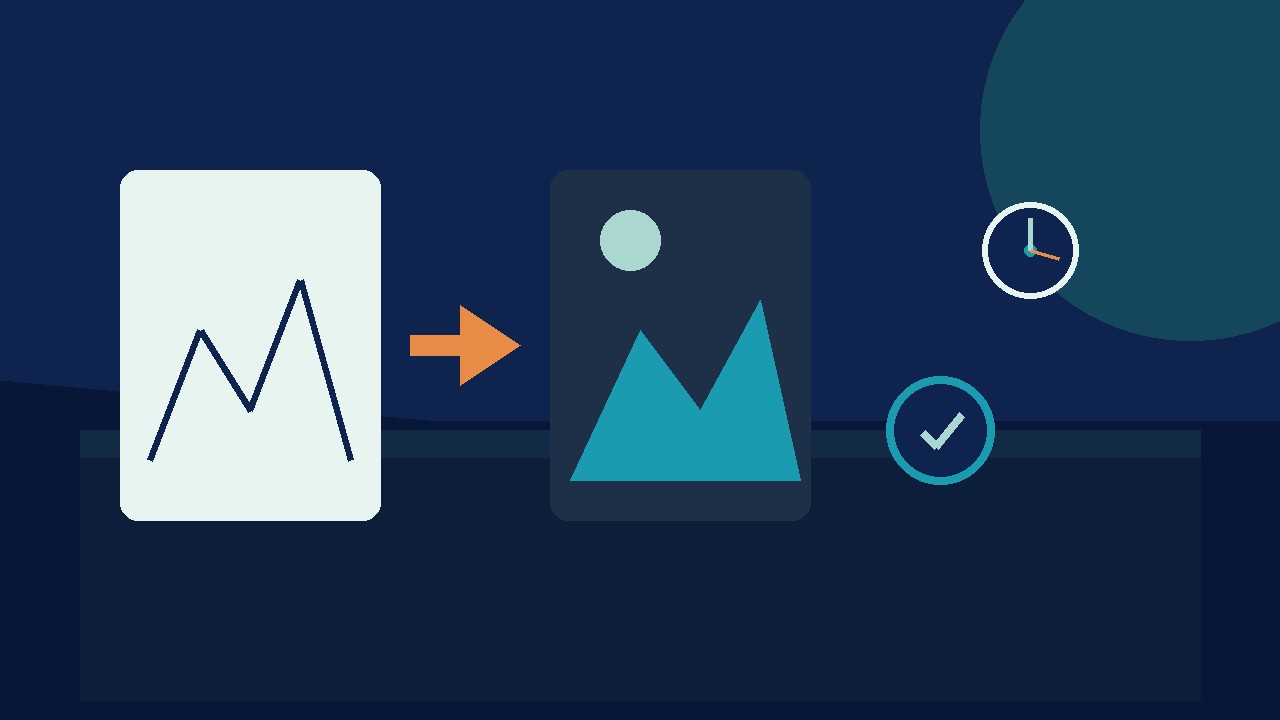
On the models, the release says that with Firefly Foundry Disney will work with Adobe on generative AI models tailored to Disney’s properties that are “human-centered and artist-led.” Those models are described as trained on “unique world knowledge (character attributes, environments, visual styles)” to generate “commercially safe and production-ready outputs.” The release says Walt Disney Imagineering Research & Development is already using Firefly Foundry in the theme park pipeline, including a sketch-to-image model that turns hand-drawn concepts into rendered 2D concept art and a custom image model for on-brand, franchise-accurate assets. Co-innovation with StudioLAB and ESPN Edge is said to be under way, with initial studio projects focused on custom models for post-production and VFX.
The release also says the work is meant to help teams develop ideas faster “while protecting creators and their works.” The words are Adobe’s. We have not seen any agreement, and the release does not set out terms for individual artists whose work may sit in a studio archive.
How people reacted
X’s own trending summaries, which are written by Grok from public posts and so are weaker evidence than a named source, said the news drew criticism from working artists, naming Reid Southen and Justine Bateman, and described fan comments tying it to recent layoffs. Executives were described as saying the tools amplify human creativity. We are reporting the characterisation, not checking each post.
Demand was measured on 12 November 2026 and is modest compared with the other stories we track. Google autocomplete in the United States returned “disney adobe ai partnership,” “disney imagineering adobe ai partnership” and “adobe firefly foundry disney.” Twenty-five X posts matching the announcement from 9 to 12 November summed to 3,491 impressions, with the largest at 1,439. Adobe’s MAX opening keynote video, uploaded 11 November, had 58,476 views when checked, though that keynote covers far more than this deal. The wider conversation about artists and AI trended on X during the same days.
Why this matters to freelancers and small studios
The announcement concerns one companyone company”s own archiversquo;s own archive and its own artists. But the pattern is spreading: studios, agencies and brands are building custom models on their own style libraries, and freelancers are asked to work with them. If you are a contractor, three questions are worth asking before you start: Will my deliverables be used to train or tune a model? Will my reference or working files be stored with the client? What do I keep and what do I hand over?
None of that is answered by a press release. It sits in your contract and your brief. What you can do on your side is keep a clean, dated record of what you made before anything went into a client system.
See also what illustrators should keep in light of the studio lawsuits against an image generator, how to protect art from scraping when you post it online and what designers should keep after the UK designs reform.
Checklist for freelance artists and designers
- Read the AI and data clauses before you sign. Look for words about training, tuning, derivative models, retention of files and reuse of your outputs. If a clause is unclear, ask in writing. This page is not legal advice.
- Keep your own originals. Save the sketches, layered files and exports you create before they go into a client folder, drive or tool. Keep them in your own storage.
- Date the brief and the version you delivered. A dated copy of the brief, the delivered files and the client’s sign-off shows what the job was and what you handed over.
- Separate what you made from what a tool made. If you use a generative tool, log tool, version, date and inputs. If a client supplies generated references, save them as received.
- Note who supplied each reference. Client-owned character sheets and style guides are different from your own ideas. Label them in the folder.
- Save platform and policy text as it stood. If a tool’s terms on training or retention matter to your work, keep a dated copy of the page you relied on.
- Bundle and date the pack. Put the brief, your source files, your delivery and the policy copies in one folder, make a SHA-256 manifest and date the set.
What a TimeBind does and does not show
A TimeBind is a dated, checkable record that an exact file existed no later than a recorded time and still matches. The SHA-256 fingerprint is made in your browser and the file is never uploaded. The record is anchored to Bitcoin (a Merkle root in an OP_RETURN). Your first Pooled TimeBind is free; after that, TimeBinds start from US$5, and an ASAP TimeBind is US$15. See how it works.
For a design job, it can date a sketch, a layered file, a delivery or a manifest. It does not stop a company training on your work, does not show who owns the copyright, does not show whether a tool used your files, and does not prove that a client agreed to anything. It shows what exact files you had by a given time, which can sit alongside your contract and correspondence.
Limits
This article summarises Adobe’s press release of 9 November 2026 and Adobe’s 10 November MAX release, plus trade coverage by Variety and GamesBeat as seen in search results on 12 November 2026. Reaction notes come from X trending summaries and a small sample of public posts. We do not know any contract terms or what data any model was trained on beyond what Adobe says. We are not saying either company is acting rightly or wrongly. This is not legal or employment advice.
Tools that can help
Use the bulk SHA-256 manifest to fingerprint a project folder, then keep a dated copy of the manifest with your contract and brief.
Frequently Asked Questions
-
Is Disney training AI on artists’ work?
Adobe’s release says Disney will work with Adobe on custom models trained on Disney properties, including character attributes, environments and visual styles, and calls them artist-led. It does not set out terms for individual artists. We do not know more than that.
-
Does Adobe train Firefly on my files?
This article does not answer that. Read Adobe’s current terms and any enterprise contract that applies to you. A TimeBind cannot change what a vendor does with your files.
-
What should a freelancer ask before working with a client’s custom model?
Whether your deliverables or working files will be used to train or tune a model, how long files are kept, and who owns the outputs. Get answers in writing and keep a dated copy of your originals.
-
Can a TimeBind stop a company using my art in training?
No. It dates exact files. It does not block anyone and says nothing about how files are used.
-
Does a TimeBind prove I own a design?
No. It shows that the exact file existed no later than a recorded time and still matches. Ownership depends on law and contract.
Sources checked
- Adobe, “Adobe and The Walt Disney Company Announce Multi-Year Strategic Alliance to Support Disney Innovation with New AI-Powered Tools,” 9 November 2026, https://news.adobe.com/news/2026/11/adobe-and-the-walt-disney-company-alliance (seen in search results 12 November 2026)
- Adobe business blog, “Adobe and Disney expand AI-powered storytelling,” https://business.adobe.com/blog/adobe-and-disney-ai-powered-storytelling, and Adobe, “Adobe Powers a New Era of Creativity,” 10 November 2026 (seen in search results 12 November 2026)
- Variety, “Disney Taps Adobe as Official AI Innovation Partner Under Multiyear Pact,” and GamesBeat coverage (supporting; seen in search results 12 November 2026)
- X trending summaries “Disney Reveals AI Tools Turning Sketches into 3D Scenes Amid Artist Backlash” (updated 12 November 2026) and “Disney Partners with Adobe on Custom AI Tools for Characters and Parks” (11 November 2026) (Grok-written summaries of posts, weaker evidence)
- X, 25 in-window posts on the announcement, 9 to 12 November 2026, 3,491 impressions in total; YouTube, Adobe MAX 2026 opening keynote, 58,476 views checked 12 November 2026; Google autocomplete (US) 12 November 2026
Date the originals and brief you keep yourself
Your first Pooled TimeBind is free, with no credit card required. After that, TimeBinds start from US$5, and an ASAP TimeBind is US$15. Click here to start, or see plans and pricing.







