Short answer: When a prize winner discloses AI use, the useful habit for other writers is still the same: keep dated copies of your own drafts from before any AI pass. A recent major French literary prize winner disclosed using an AI chatbot while writing the winning book, including a passage shown only to the jury. Around the same season, another title was dropped from a longlist over suspected AI use. Detector scores settle little on their own. A dated trail of your files shows each version existed no later than the recorded time and still matches its fingerprint. TimeBinder® records a fingerprint of a file on the Bitcoin blockchain, while the file stays on your device. It does not show who wrote the words, whether AI was used, or how a prize body will treat the work.
When a prize winner discloses AI use: disclose vs hide
Disclosure to a jury, editor or reader is one choice. Hiding a tool and then arguing with a detector score later is another. Writers who are not prize winners still face the second path more often.
The useful contrast is not which brand of chatbot was involved. It is whether you can show your own pre-AI drafts when a score, rumour or rule comes up. A short, honest note about what you used can sit beside those files. Neither replaces the other.
Why detector-only disputes leave writers stuck
AI-detection tools are now part of prize, school and publisher disputes. A score without a draft trail leaves both sides stuck. The writer can deny the result; the other side can insist on the tool. Neither side has a dated file from before the disputed pass. For a working writer, that is the gap a pre-AI copy is meant to fill. See also working drafts, timestamps and AI detectors.
What a draft trail can and can’t show
| Approach | What it can support | What it does not show |
|---|---|---|
| Disclosure statement | What you told a jury, editor or reader | That the rest of the file is human-written |
| Detector score alone | A tool’s output on a text | Authorship, intent, or a stable history of drafts |
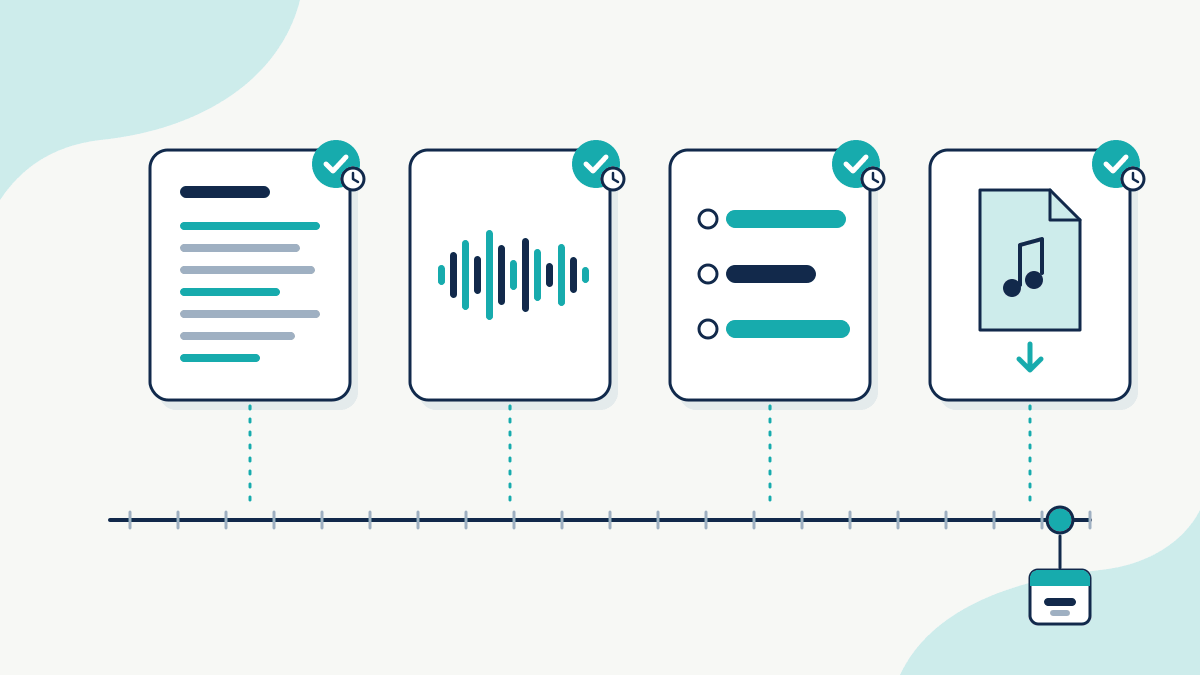
| Timestamped drafts | A file existed no later than the recorded time and still matches its fingerprint | Who wrote it, whether AI was used, or how a prize will treat it |
Honest limits for a TimeBind:
- It shows a file existed no later than the recorded time.
- It shows the file you check still matches that fingerprint.
- It does not show who wrote the file.
- It does not show whether AI was used, that the contents are true, or how a prize body or court will treat it.
Keep dated copies before any AI pass
- Save a pre-AI copy. Before you paste text into a tool, keep the file you wrote as its own version. Do not overwrite it.
- Timestamp milestones. Proposal, chapter drafts and the pre-edit manuscript are the usual points. See manuscript timestamping and how to keep a draft history.
- Leave the timestamped originals alone. Any edit changes the fingerprint. You can check a file still matches its fingerprint later.
- If an accusation arrives, bring the dated pre-AI files, not only a detector rebuttal. Related reading: manuscript records before an AI accusation and using AI as a writing tool while showing your own work.
Each file is fingerprinted (SHA-256) on your own device. Nothing is uploaded or stored by TimeBinder. The fingerprint is recorded on the Bitcoin blockchain. You get a Proof of Time Certificate that you or someone you share it with can check later. See how TimeBinder works.
When TimeBinder isn’t the right tool
If a prize, publisher or school asks for a written disclosure of AI use, answer that process directly; a timestamp is not a disclosure form. If you need a lawyer or a prize body’s own procedure, use those channels. If you only need a backup of your manuscript, use your own storage, because TimeBinder keeps no copy of the file. And if the question is “did AI write this?”, a TimeBind cannot answer it.
This is general information, not legal advice.
FAQ
Does disclosing AI use replace a draft trail?
No. Disclosure tells people what you chose to say. Dated drafts show which files existed by which times. Writers often need both habits, not one instead of the other.
Can a timestamp show I didn’t use AI?
No. A TimeBind shows only that a file existed no later than the recorded time and still matches its fingerprint. It does not show whether AI was used.
What if I only used AI for research?
Keep your own notes and the drafts you wrote from them. Timestamp the versions you care about before any tool rewrites your prose. Research use is still worth recording in your own process notes.
Does TimeBinder store my manuscript?
No. Fingerprinting happens on your device. Nothing is uploaded or stored by TimeBinder. Only the fingerprint is recorded on the Bitcoin blockchain.
What should I keep if a prize later questions my book?
Keep the pre-AI drafts, the emails or notes that show when you shared them, and any disclosure you already made. A dated trail supports a factual account; it does not decide the prize’s rules.
Keep your pre-AI drafts
Save a copy before every AI pass, and timestamp the milestones that matter. You can start on the Free plan, and no credit card is required. See TimeBinder plans and pricing